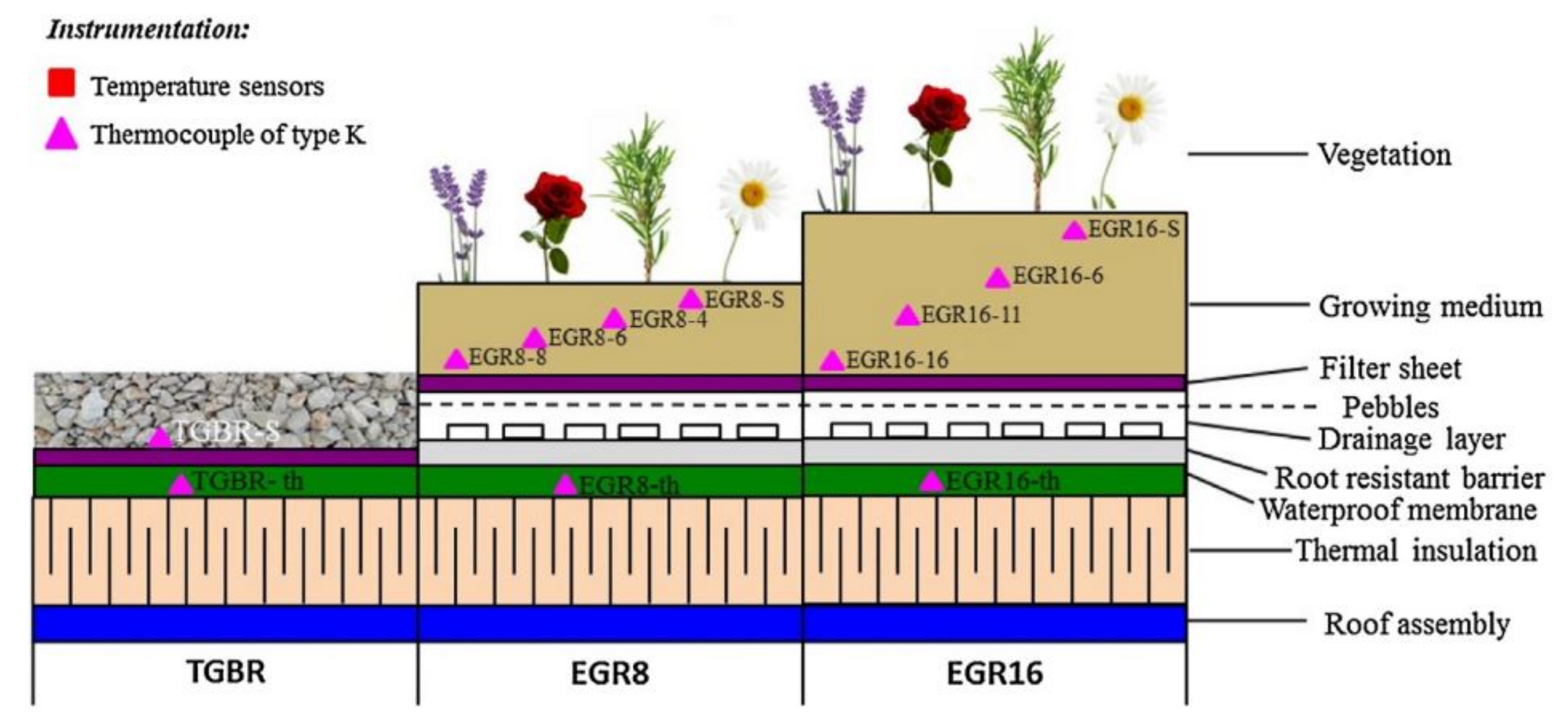
Additional loading is one of the main factors in determining both the viability and the cost of a green roof installation.
Green roof imposed load.
On roofs particularly for category h roofs imposed loads need not be applied in combination with either snow loads and or wind actions.
Imposed loads may be redistributed at the architect and engineer s discretion.
The second most common conservative assumption found in the industry is to assume that the green roof is a soil load rather than a dead load.
If a green roof is part of the initial design of the building the additional loading can be accommodated easily and for a relatively minor cost.
One option would be to restrict access and to reallocate a portion of the design live load to the green roof.
The second trussed roof is designed for a dead load of 160kg m 2 and a live load of 40kg m 2.
Floor uses and corresponding minimum imposed loads stipulated in the building construction regulations are also.
The venny green roof has shallow substrates on two types of roof the first roof is on shipping containers and is designed for a dead load of 250kg m 2 and live load of 100kg m 2.
For dynamic loads caused by machinery see en 1991 3.
Photo by andrew wutke.
Green roofs typically use lightweight engineered soils with very light drainage and insulation layers.
Roofs used for roof gardens or assembly purposes.
Imposed loads for design of building building works street and street works.
The venny green roof melbourne.
The minimum floor live loads shall be the greatest actual imposed loads resulting from the intended use or occupancy of the floor and shall not be less than the uniformly distributed load patterns specified in sec 2 3 4.
Creating falls on a green roof.
2 2 3 2 where a roof is to be provided with greenery the weight of soil waterproofing and drainage system and plants for greenery shall be taken.
For example an existing roof may be designed for public occupancy 100 pounds per square foot.
Some roofs are finished with substantial.
The criteria is to have a depth of drainage layer deep enough to hold the landscape above any residual standing water that occurs on the surface of the deck either by design or circumstance.