If a dog has an awn stuck in its nasal cavity sneezing is usually among the first symptoms says dr.
Grass awn dog nose.
Grass seeds and awns are very stiff plant fibers that usually have a barb on one end.
Should you spot the grass awn make sure to remove it as quickly as you can.
However grass awns can also cause much more serious health problems when they enter through the mouth or nose of a dog and migrate through the respiratory or gastrointestinal tract.
Grass awns are a danger upon contact with your dog.
They can also make their way to your dog s gums ears or several other part of their body.
The barb on the end of the seed allows it to get caught in a pet s fur and also to penetrate the skin.
Grass awns are deadly dangerous for your dog.
Dogs are especially at risk if they have longer coats with a thick undercoat although any animal can be at risk.
The problem is that the owner nor the dog can remove all the awns.
If grass awns are not removed in a timely fashion they will lead to the formation of painful abscesses which need regular drainage of fluids.
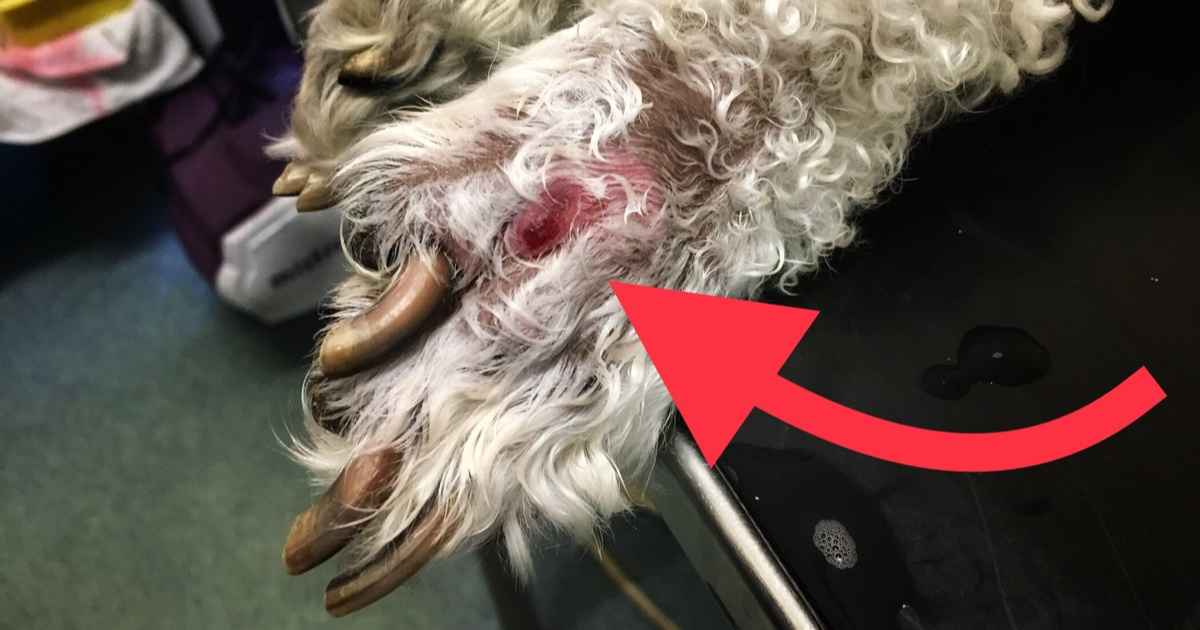
The most common presentation is a draining tract between the toes.
What are the symptoms of grass awn infection.
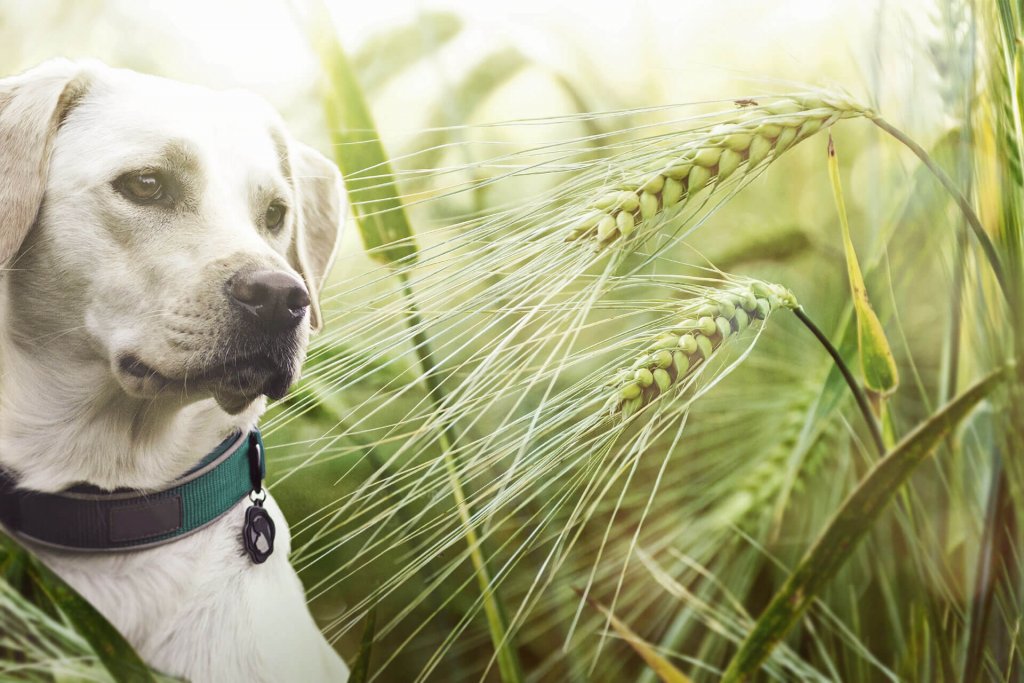
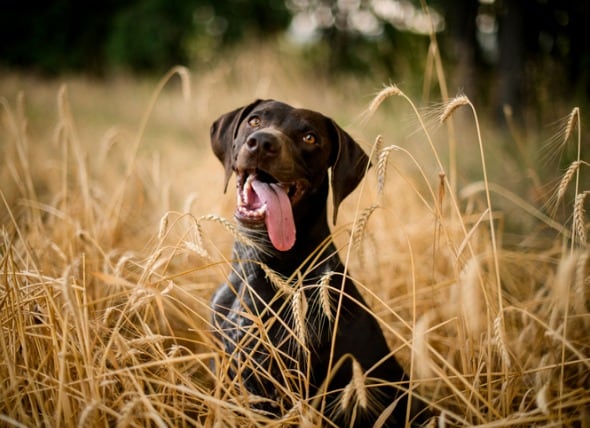
Grass awns otherwise known as foxtails are created by certain types of grasses that are in the seeding stage.
These grass seeds and awns can cause problems by entering into your dog s nose can get caught between their eyes or worse yet their eye lids or they may become stuck in their toes.
Several kinds of these barbed grasses flourish in south africa posing a significant danger to pets as the awns burrow into the dog s skin or are caught in the eye nose or ears.
Grass awns can be inhaled swallowed and even penetrate the dog s skin.
Grass awns may get caught in a dog s paws nostrils face and ears.
Grass awns have been known to migrate through the body wall and migrate to the chest and abdominal cavities.
The risk of exposure determines on where you live.
They may even kill your dog.
A dog might also excessively rub its nose.
What are the symptoms of grass awn infection.
After a while the problem might result in nasal drainage or infection.
Some examples include foxtails speargrass feathergrass and buzzard grass.
The awns can be lodged in the ear nose and skin of your pet.
When a grass awn is embedded the body responds with inflammation.
On occasion one looks up the nose and nothing is found but in your case where you saw the grass awn go up there it will most likely be found.
The problem with grass awns is that they are difficult to be located.
These seeds or grass awns can become lodged in pet ears between toes and under the skin.